Introduction
Lead Meaning in English: A Simple Explanation for Businesses and Entrepreneurs is a critical topic for any business that wants to stop depending only on referrals, random social media posts or inconsistent word of mouth. A real lead generation strategy is not about collecting more names in a spreadsheet. It is about attracting people with intent, context and a clear reason to move toward a sales conversation.
The primary SEO keyword for this article is “lead meaning in english”. The goal is not to repeat the keyword mechanically, but to understand how the search intent behind it can become a practical system for attracting, filtering, following up with and converting prospects. This is especially relevant for digital marketing, lead capture, sales systems and business growth.
A strong lead system connects message, offer, channel, landing experience, response speed and reporting. When one of those elements fails, a business may receive forms, messages or calls, but not necessarily real sales opportunities. This article explains how to approach the topic in a practical and commercial way.
What It Means and How to Understand It
In simple terms, lead meaning in english refers to the process of turning attention into a measurable business opportunity. That opportunity may come from a form, a search campaign, a landing page, WhatsApp, a phone call, a downloadable resource, a CRM workflow or an interaction on social media.
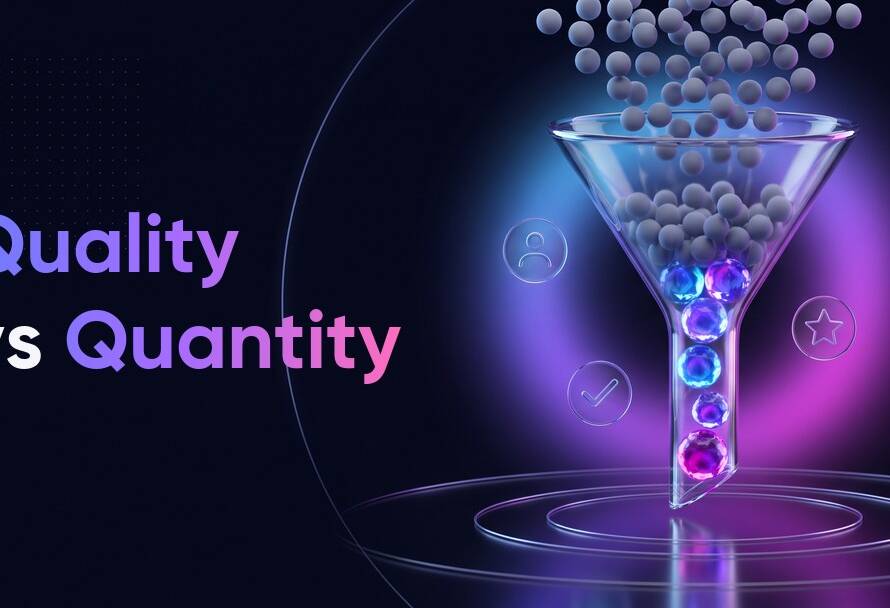
The difference between a random contact and a useful lead is intent. A low-intent lead leaves information out of curiosity or because the offer looked easy. A better lead has a real problem, understands the value of a solution and is willing to compare options, request a quote, schedule a call or talk to a sales representative.
For SEO and content architecture, this topic should be connected with related phrases such as leads in Spanish, lead translation, what leads mean. These supporting terms help the page cover the full search intent and also make the site more complete around the topic of leads and customer acquisition.
Why It Matters for Sales Growth
Most businesses do not have only a visibility problem. They usually have a conversion, qualification or follow-up problem. They publish content, run ads or receive traffic, but they lack a clear system to turn that activity into qualified opportunities.
When a lead generation process is well designed, the team knows where every prospect came from, what message attracted them, what they need, how urgent the case is and what the next commercial action should be. This reduces improvisation and makes sales more predictable.
It also improves budget decisions. Instead of judging campaigns only by cost per lead, the business can evaluate contact rate, qualified opportunity rate, appointment rate, cost per opportunity, close rate and actual return on investment.
How to Apply It Step by Step
- Define the core offer: clarify the problem you solve, who you solve it for and why a prospect should contact you now instead of later.
- Build a clear conversion point: this can be a landing page, Meta lead form, website form, WhatsApp flow or booking page. The user must understand what happens after submitting their information.
- Use specific messaging: generic promises attract unqualified curiosity. Specific messages attract people with a clearer need, stronger pain point or higher purchase intent.
- Qualify from the first interaction: ask only the questions that help identify budget, urgency, location, service type, timeline and decision stage.
- Respond fast: response speed has a direct impact on conversion. A lead that is contacted too late often cools down, compares other providers or loses trust.
- Track every source and status: each lead should have a source, stage, owner, next action and outcome. Without tracking, the business cannot improve the system.
Common Mistakes to Avoid
- Measuring only lead volume and ignoring lead quality.
- Asking for too much information before building trust.
- Taking too long to respond after a lead submits a form.
- Using the same generic script for every prospect.
- Failing to separate cold, warm and hot leads.
- Stopping follow-up after the first unanswered message.
- Pausing campaigns too early without reviewing conversion data.
- Keeping marketing and sales disconnected.
Practical Checklist Before Publishing or Investing
- The offer clearly explains what the prospect receives.
- The call to action is direct, visible and easy to understand.
- The form qualifies the lead without creating unnecessary friction.
- There is a response script for WhatsApp, phone calls or email.
- Each lead is recorded with source, stage and owner.
- The team measures contact rate, appointment rate, opportunity rate and sales, not only forms.
- There is a follow-up sequence for several days after the first contact.
- Results are reviewed weekly to identify which channels produce the best prospects.
Conclusion
Working with lead meaning in english professionally does not mean chasing volume without control. It means building a system where content, advertising, forms, CRM and follow-up move the prospect toward a clearer buying decision.
The winning business is not always the one that publishes the most or spends the largest budget. It is usually the one that understands user intent, responds quickly, qualifies better and follows up with discipline.
The next step is to audit the current process: lead source, lead quality, response time, sales script, CRM usage and close rate. That is where the improvements that actually move revenue usually appear.
Frequently Asked Questions
What does lead meaning in english mean?
It means creating or managing business contacts with potential commercial value, especially in the context of digital marketing, lead capture, sales systems and business growth. The objective is not only to collect data, but to create opportunities that can move toward a sale.
What makes a lead high quality?
A high-quality lead has a clear need, real contact information, enough context, buying capacity and a willingness to receive follow-up. Quality depends on the offer, message, targeting, form and response process.
How long does it take to see results?
It depends on the channel, budget, offer and sales cycle. The key is to measure from the beginning: contact rate, appointments, opportunities and closed sales. Form submissions alone do not tell the full story.
Should I use paid ads or SEO?
Both can work. Paid ads accelerate lead capture, while SEO builds sustainable demand over time. The best strategy often combines paid traffic, useful content, landing pages, CRM and follow-up.